Possible Acute Mountain Sickness At Mount Kilimanjaro
If you plan to climb Mount Kilimanjaro, you will undoubtedly hear about acute mountain sickness. Tecomate Tours and Safari has provided answers to the most frequently asked questions about acute mountain sickness for individuals who are unfamiliar with the intricacies of altitude disease. WHAT IS ACUTE MOUNTAIN SICKNESS? acute mountain sickness is also referred to as altitude sickness and is caused by the body’s failure to acclimatize to decreased levels of oxygen in the blood. At sea level, the oxygen content is roughly 21% and the barometric pressure is 760 mmHg. The oxygen concentration remains constant as altitude climbs, but the number of oxygen molecules each breath decreases due to decreasing barometric pressure. The barometric pressure drops to 483 mmHg at 3,000 meters, resulting in nearly 40% fewer oxygen molecules per breath. Your body responds by breathing more quicker in order to raise oxygen levels in the blood. Although oxygen levels rise, sea level concentrations remain unattainable. The body must adapt to less oxygen. This is referred to as acclimatization. Acclimatisation is impossible above 5,500 meters, and the body begins to decline. ACCLIMATIZATION The main cause of altitude sickness is ascending too quickly. Your body will adjust to the decrease in oxygen at a specific altitude given enough time. Acclimatization is a process that typically takes one to three days at any particular altitude. After climbing to a higher level, the body must readjust to the new altitude for one to three days. In order to cope with decreased oxygen levels, the body reacts in the following ways: Respiration frequency and depth increases Pressure in pulmonary arteries is increased, “forcing” blood into portions of the lung which are normally not used during sea-level breathing. Additional red blood cells are produced to carry oxygen Enzymes are produced to facilitate the transfer of oxygen from haemoglobin to body tissues. It is imperative that hikers be aware of symptoms of acute mountain sickness during Kilimanjaro and Meru trips and that they communicate with the guide regularly regarding their condition. It is very important to rest and not ascend further if experiencing severe symptoms of AMS. ACUTE MOUNTAIN SICKNESS (AMS) acute mountain sickness is common at high altitudes, with 80% of people reporting some symptoms over 3,000 meters (9,842 ft). A lot of factors influence the severity of AMS, including climb rate, height, and individual vulnerability. Symptoms often develop 12 to 24 hours after ascending and gradually subside by the third day. Slight AMS symptoms include: Migraine symptoms include headache, nausea, dizziness, lack of appetite, tiredness, shortness of breath, and inability to sleep. As long as the symptoms are modest, hikers can continue to ascend slowly. All AMS symptoms should be reported to the head guide, who should provide daily progress updates. Average AMS symptoms include: Symptoms include severe headaches, nausea and vomiting, increased weakness and tiredness, shortness of breath, and decreased coordination. Although the hiker may be able to continue walking while experiencing minor AMS symptoms, the typical activity becomes more difficult as the hiker gains altitude. Only medication and descent may currently alleviate AMS symptoms. Even a 300-meter drop will result in a significant improvement. All moderate AMS symptoms should be reported to the guide, who will subsequently decide whether or not to evacuate. Based on his or her symptoms, the climber may be instructed to walk in a straight line. If he or she is unable to walk a straight line on his or her own, an urgent descent is necessary. Severe AMS symptoms include: Shortness of breath, loss of ability to move, diminished mental awareness, and fluid buildup in the lungs are all symptoms of COPD. Severe AMS can only be treated by descending to lower elevations immediately. OTHER SEVERE ALTITUDE-RELATED ILLNESSES Failure to descend to lower elevations may result in two further severe kinds of altitude sickness. High Altitude Pulmonary Edema (HAPE) and High-Altitude Cerebral Edema (HACE) are two examples. Although these occur less frequently, they are mainly the result of rapid ascents by people who have not been adequately acclimatized. When there is a dearth of oxygen in the body, fluid leaks through the capillary walls into the lungs or the brain. In the event of HAPE, immediate descent is required. Patients should be flown to a medical centre for further care. HIGH ALTITUDE PULMONARY EDEMA (HAPE) Fluid buildup in the lungs causes HAPE, which can hinder sufficient oxygen exchange. Severe HAPE can result in brain damage, cyanosis, and death. Shortness of breath at rest; fatigue and weakness; a feeling of impending suffocation or drowning; grunting or gurgling sounds when breathing; a persistent cough that produces white, watery, or frothy fluid; disorientation and unpredictable behaviour are all indications of HAPE. Immediate descent is essential in the event of HAPE. Patients should be airlifted to a medical facility for further treatment. HIGH ALTITUDE CEREBRAL EDEMA (HACE) The swelling of brain tissue induced by fluid leakage causes HACE. Headache, loss of coordination (ataxia), weakness, and declining levels of awareness, including disorientation, memory loss, hallucinations, blindness, and coma, are all symptoms. HACE typically occurs after a week or more at a high altitude. Severe cases can be fatal if not handled quickly, and an emergency descent is a life-saving procedure. Following HACE, patients must need follow-up care at a medical center. PREVENTING ALTITUDE SICKNESS The two strategies for preventing altitude-related disorders are proper acclimatization and preventative drugs. This advice is specific to Mounts Meru and Kilimanjaro in Tanzania and may not be applicable to other high mountains. Tecomate Tours and Safaris always advise our climbers to follow a ‘pole pole’ pace and drink enough water as the best way to avoid altitude sickness. Inform the guide about your AMS symptoms and keep him and the other group members updated on your progress. Climb high, sleep low. Acclimating during the day by climbing to high elevations and then lowering to sleep is advised. If you have signs of moderate altitude disease, don’t move higher until the symptoms subside. If symptoms become severe, descend. Maintain proper hydration. Acclimatization is frequently accompanied by fluid loss, so drink enough
Special Tips For Better Wildlife Spotting On Safari
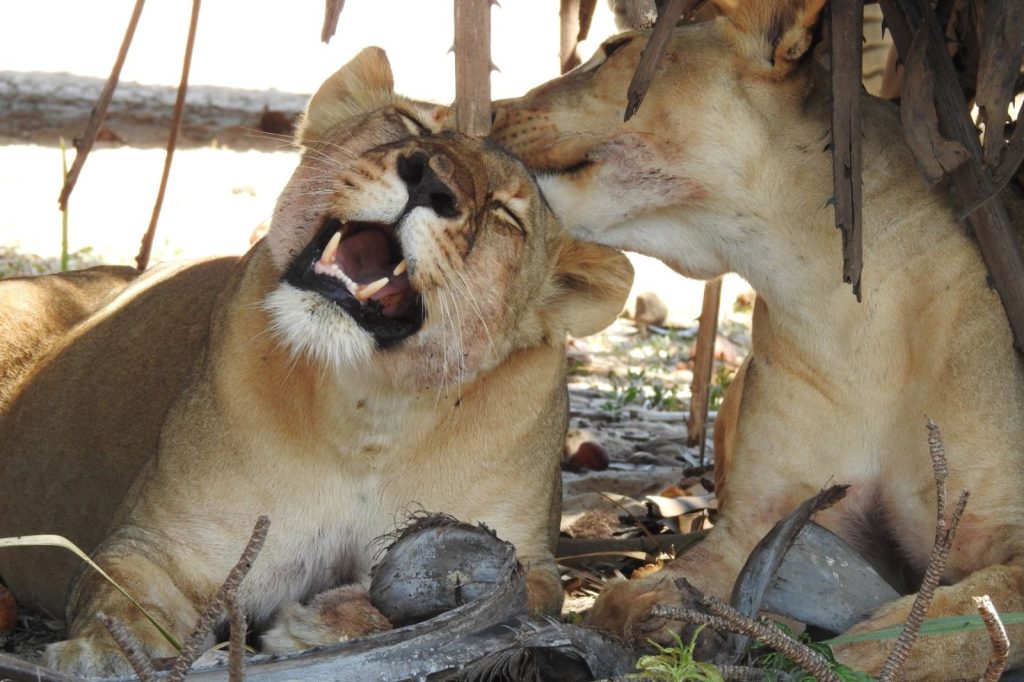
Wildlife spotting is a great experience when taking a wildlife trip to any destination. Many people find it difficult to see as much wildlife, particularly their dream wildlife, due to a variety of factors, including the fact that animals in our parks and reserves move in their natural manner, and our parks are so diverse that there are no special signposts to follow in order to spot a specific animal. As a result, concluding a safari after seeing more animals than intended necessitates competence and professionalism. Important resources required An Appropriate Tour operator with the best itinerary Investigate the tour company and the itinerary they provide! Examine how much time you will spend in the national park for thorough game drives, how much time you will spend traveling from one location to another, and where your accommodations are booked whether they are inside the park or outside. Which national parks are included in your itinerary, and are they compatible with the seasonal movement of the animals, or are they only included to round out your safari days? Tecomate Tours and Safari take all of these factors into account when designing the tour itinerary, and we go out of our way from start to finish to ensure that every aspect of your African Safari is as enjoyable as our mission. We are experts in designing the best itinerary with plenty of time spent exploring the park while keeping in mind that service provisions are based on a more-than-expected approach. A best Safari guide A safari guide can make or break your safari experience. A knowledgeable guide is a valuable asset to your safari. Over time, guides develop a sixth sense, an instinctive knowledge of where and when to be. Tecomate Tours and Safaris has chosen the best safari guides who are special in transforming itineraries into the best experience and our guides are wildlife, customer service, and sustainability experts who work tirelessly to find out what is best for their clients. An Early morning Safari Game drives in the early morning and late afternoon while on an African safari are the most productive in terms of sightings. Animals are most active during this time. This is known as the golden hours. However, the movement of animals in the parks is determined by Mother Nature, but Tecomate Tours and Safari strongly advise beginning game drives early in the morning. It is possible to depart from your accommodation with a breakfast box at 6:00 a.m. or shortly after a hot breakfast at 7:00 a.m. Tecomate Tours driver-guides know well the best timing for a game drive and are always available for you at any time during your Tanzania safari. Full-day game drives “Spend as much time as you can go on game drives”. This theory is simple: the more time you spend looking for animals, the more likely you are to see them many. On some occasions, our guides will advise you to depart early with lunch boxes from accommodations. This enables full-day game drives and, in some cases, allows the guide to take you to special locations that may be further away. Tecomate Tours and Safaris does not count the hours and minutes of our clients’ game drives during safari; instead, we encourage long game drives to increase the likelihood of our clients enjoying their safari and our destinations. The only advantage of our game drive is that activity in Tanzania national parks is permitted every day from 6 am to 6 pm as per park regulations. The best Safari accommodations The majority of Tanzania’s National Parks are vast, and animal movements are affected by the seasons. This is especially true during the Serengeti Wildebeest migrations. It is critical to stay in accommodations that take animal movement and location into account. Our booking and reservations team at Tecomate Tours and Safaris visits the accommodations we use and is very familiar with their suitability and accessibility to animals. Tecomate Tours chooses accommodations where we know clients will not drive a long distance to look for animals, and sometimes animals move close to the accommodations where we can have a close-to-nature experience. Be Patient Theory Take your time, be patient, and enjoy the sights and sounds. Tecomate Tours and Safaris insist on this theory as it will end up being a rewarding experience for you. Allow time for your Tecomate Tours guide to explain and interpret. It is preferable for a guide to illustrate what you see in front of you rather than to explain a hypothetical scenario. In terms of wildebeest migration and river crossing, spotting this incredible action takes a lot of patience and luck. Wild animals cannot be forced to cross the river; they do so of their own free will. As a result, you must be patient along the river’s edge so that nature can reward you with the best. Best Safari vehicles A safari vehicle is an essential component of a successful African safari. It really needs a well-customized safari vehicle to drive on bumpy roads in the National parks. It requires a vehicle with comfortable seats, large windows for photo shoots and sighting, a pop-up roof for easy game viewing from the top, and all necessary components in the event of an unforeseen emergency. Tecomate Tours and Safaris has selected the best vehicles for a hassle-free safari, and they are loved by many of our clients due to their comfort, space, equipment, and design, which are built to enhance safe travel and easy game viewing of wildlife. BOOK MY TOUR NOW! Tecomate Tours and Safari knows all of the critical elements required to build a spectacular African safari of spotting numerous wildlife and would be pleased to assist you in customizing the ideal package for your next Africa safari. Contact us as soon as possible and get ready for a real experience.
The Best Time To Travel For Tanzania Safari
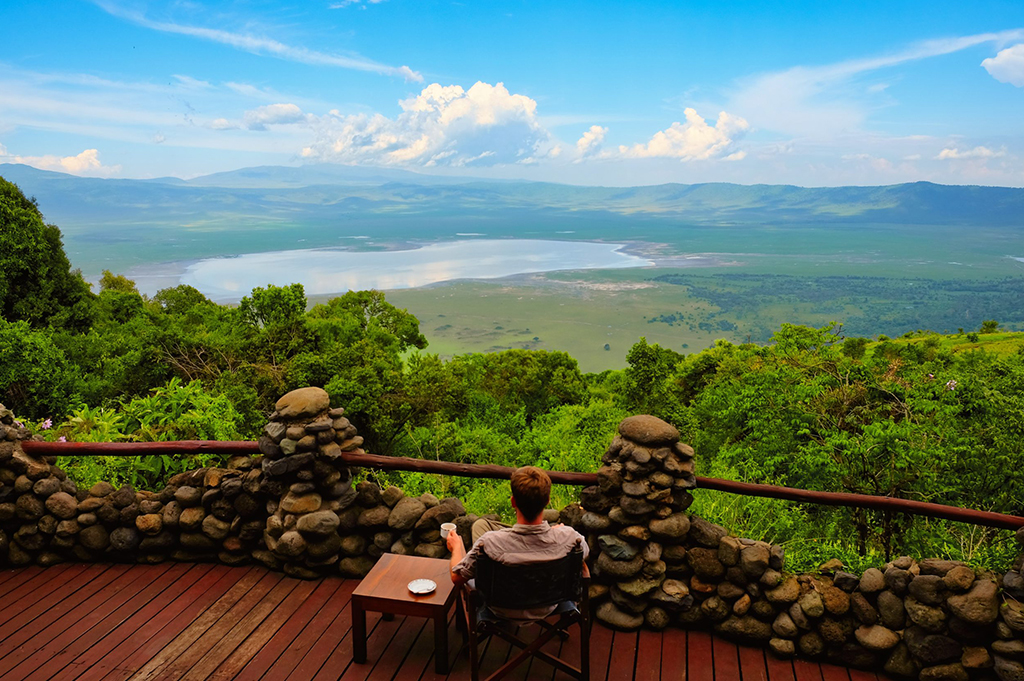
Going on safari in Tanzania can be a once-in-a-lifetime experience if you know when to go and when to organize your vacation. Tanzania is home to numerous spectacular national parks, including the world-renowned Serengeti National Park, Africa’s highest peak, Kilimanjaro National Park, and the massive Ngorongoro Crater. Tanzania has been discovered to have more opportunities to observe Africa’s Big 5 five animals (elephants, lions, leopards, buffalo, and Rhinos) than any other African park or reserve. Tecomate Tours and Safaris believes that there is no wrong time to visit Tanzania because of its numerous natural sites and lovely culture. Several factors, however, might impact when to visit for a perfect Tanzania safari, and Tecomate Tours has separated the optimum time to travel into seasons to assist you understand what to anticipate and how to arrange your journey efficiently. JULY – OCTOBER The long dry season in Tanzania lasts from July to October, making it ideal for a wildlife safari.it is our high season months and by far the finest time of year to see “the big 5” Animals as well as countless other animals! Because of the dry vegetation and shorter grasses, animals are easy to notice, and photo shoots are awesome. Because it is peak safari season in Tanzania, tour package prices are higher and reservations must be made further in advance. During the safari, the national park will be busier, but it’s worth going for the best wildlife-watching chances. High temperatures will range from 72 to 77 degrees Fahrenheit. You should dress warmly because it can get chilly early in the morning and late at night. The wildebeest migration is predicted to be grazing in the northern Serengeti, and the herds will cross the huge Mara River to the Masai Mara reserve in search of fresh feed and water. If you want to go during this time, or if you are undecided about when to go, please include some days in the Northern Serengeti to witness the wildebeest migration and River crossing. APRIL & MAY This is the cheapest time to visit Tanzania for a wildlife safari. It should be noted that because these are rainy months, views of wildlife may be hampered in certain areas by tall grasses and lush greenery. Also, going on a Tanzania safari in April or May allows you to avoid the crowds and enjoy more privacy and a more personalized experience. Fewer people book safaris at this time of year because it is Tanzania’s wettest season and presents similar obstacles for wildlife viewing. Dealing with slick roads and becoming engulfed in mud as a result of heavy rain is part of the experience. As a result, if you plan to go on a safari during these months, you should be prepared. NOVEMBER, JUNE & MARCH These months are characterized by “short rains,” which bring near-constant showers that make the weather muddy, humid, and scorching. It is referred to as the shoulder season since it occurs between the peak and low seasons. Visitors can appreciate the locations and seclusion of the accommodations because the national parks are not overcrowded. Tecomate Tour packages are fairly priced, and reservations may be made up to one month in advance. Last-minute reservations are possible, but only if the room is available. In June, the wildebeest migration moves westward from the Central Serengeti to the Western Serengeti. It’s also Wildebeest mating season, and the herds are making their way to the northern Serengeti through the vast Gurmeti River. It is best to plan your trip around this natural wonder in this region if you want to see it. In November, the wildebeest migration proceeds from the northern Serengeti to the central Serengeti, then to the southern Serengeti for calving season. If watching the wildebeest migration is the major motivation for your November vacation, you should heed this advice. DECEMBER- FEBRUARY This is our busiest time for Tanzania safaris. During these months, we have a large volume of clients because many people travel with their families or loved ones for the Christmas and New Year’s holidays. Many lodgings are congested, and tourism is growing in many parks and reserves. The wildebeest migration can be seen on the southern plains of the Serengeti and Ngorongoro, where they arrive for calving, which occurs from January to March. Because the national parks are lush due to seasonal rains, game drives are highly enticing because animals may be observed up close. If your trip plans fall between these months, you must book your tour with Tecomate Tours at least 6 months in advance.
How To Plan A Perfect Tanzania Safari
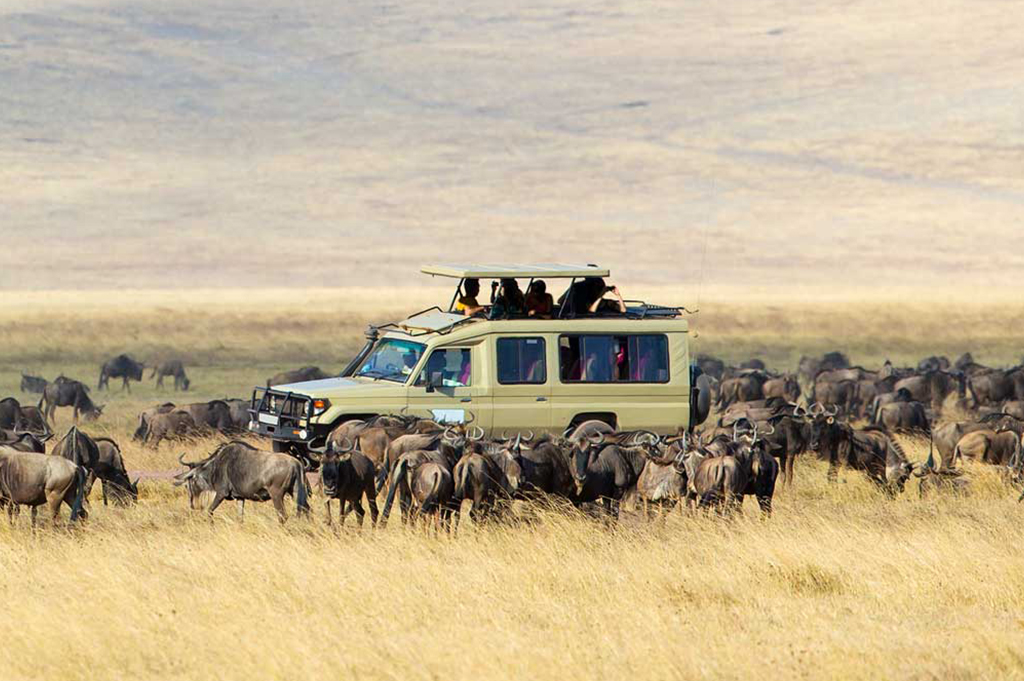
Tanzania is regarded as the ideal adventure destination by many travellers from all over the world. Tanzania is a popular tourist destination for a multitude of reasons, including its incomparable wildlife and authentic culture. Tanzania will steal your breath away, whether you visit its famed parks like Serengeti National Park or ascend Mount Kilimanjaro and explore its stunning off-the-beaten paths. Tanzania’s cultural and natural beauty is breathtaking, and exploring its destinations is a once-in-a-lifetime opportunity.
The Best Time To Trekk Mount Kilimanjaro
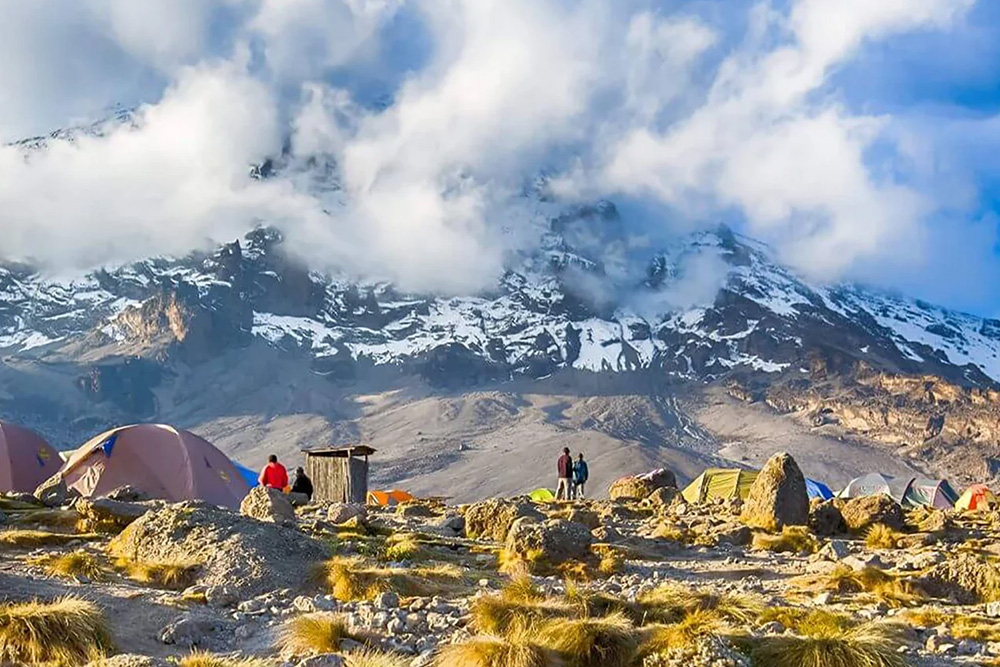
Tecomate Tours and Safaris suggest that the best time to trek Mount Kilimanjaro is during the dry season, which runs from January to March. During this period, there is no rain and the mountain is less crowded. Mid-June to August conditions is good too, it is cold and there will be snow on the ground in June/July, but the skies are beautiful and clear. September is popular and therefore busier. The days are warmer, there is a chance of clouds but the conditions are good. October is also favourable for climbing, days are warm and there is a moderate chance of clouds and you will see fewer climbers. As the short rains begin in November, conditions become less favourable. It is best to avoid the rains in late November and conditions can be variable into December too, the long rains occur in April, May and early June and Tecomate Tours advise you avoid these periods. Further characteristics on a monthly basis. SEPTEMBER AND OCT JUNE TO OCTOBER This is the dry season with the best climbing conditions and visibility September and October are warmer There tend to be fewer climbers in October at the end of the high season This is the high season when there are the most climbers The weather is generally colder than January to March NOVEMBER TO MAY Fewer climbers in the mountains Dry and warm from January to March, with clear skies in the morning and evening The main rains come in April and May and the visibility lessens In November rain often occurs in the afternoons The weather is warmer There tend to be fewer climbers in October at the end of the high season Action! Tecomate Tours provides professional advice on when is the best time to trek Mount Kilimanjaro and is eager to assist you in planning the wonderful trekking package and offer you lifelong memories. Book with us now and get ready for an unmatched experience.