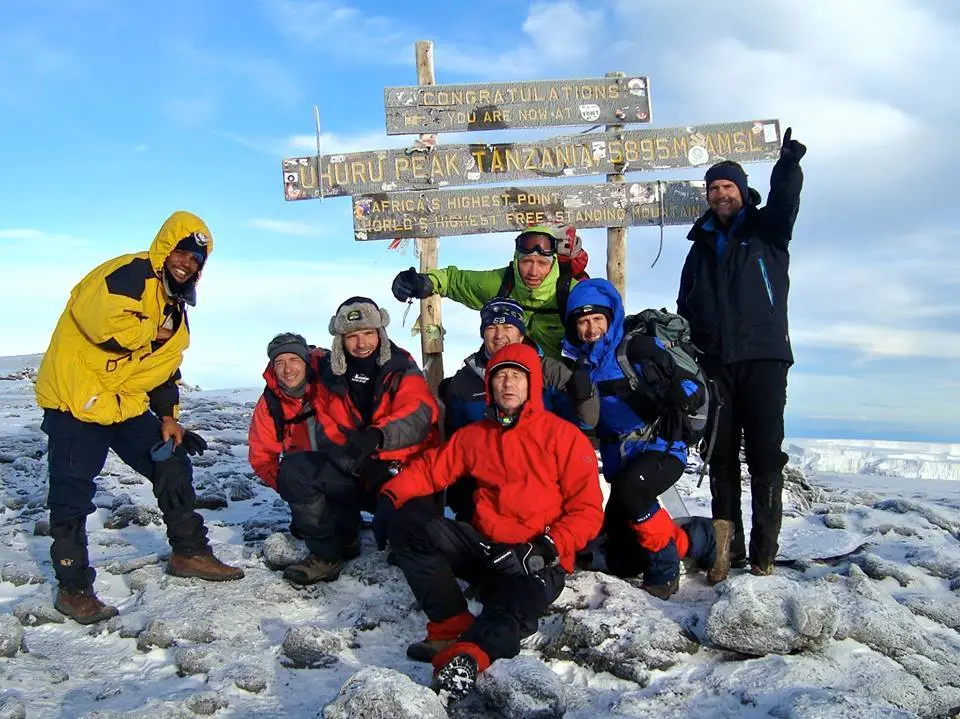
The best time for trekking—especially Mt. Kilimanjaro or Mt. Meru—is during the dry seasons:
January to early March (warmer but clear skies)
June to October (cooler and dry, with better visibility)
Not necessarily. While Kilimanjaro does not require technical climbing, you should be in good physical condition. Training hikes, cardiovascular fitness, and some altitude preparation are recommended.
Altitude sickness can occur at elevations over 2,500m. To help prevent it:
Choose a longer itinerary for better acclimatization
Hike slowly (“pole pole”)
Stay hydrated
Consider medications like Diamox (consult your doctor)
You’ll need layered clothing, a good-quality sleeping bag, trekking boots, rain gear, headlamp, water bottles or hydration packs, and personal items. A full gear list will be provided upon booking.
Yes. All treks are supported by experienced guides, porters, and cooks. We ensure fair treatment and ethical working conditions for all crew members.
Absolutely. Make sure it covers high-altitude trekking and medical evacuation.
The best time is during the dry season, from June to October, when wildlife is easier to spot around water sources. For the Great Migration, June to August (Grumeti River crossings) and January to March (calving season in the Serengeti) are key highlights
Top choices include:
Serengeti National Park – for the Great Migration and Big Five
Ngorongoro Crater – a UNESCO World Heritage site
Tarangire & Lake Manyara – excellent for birdlife and elephants
Ruaha & Selous (Nyerere) – remote and wild, ideal for off-the-beaten-path adventures
Most packages include:
Game drives in 4x4 safari vehicles
Accommodation (lodges or tented camps)
Park entry fees
Meals and drinking water
Professional guide/drive
Neutral-colored clothing, a hat, sunscreen, insect repellent, binoculars, a camera, and a light jacket for evenings. Avoid bright colors or camouflage print.
Yes, safaris in Tanzania are generally very safe. Guides are trained professionals, and safety protocols are followed at all times. Listen to your guide's instructions while in the bush.
Yes, many lodges and camps are family-friendly. However, some parks and accommodations may have age restrictions, so it's best to check in advance.
Our expert team is always ready to assist you. Don’t hesitate to get in touch—we’re happy to guide you in planning your perfect safari experience.
Whether it’s your first safari or your fifth, we’ll help you discover experiences that match your dreams and travel style.